Problem Statement
Planning a funeral is one of life's most emotional moments. Yet, it often feels cold, rushed, and environmentally taxing. We envisioned a more compassionate approach — one that honors both the individual and the planet.
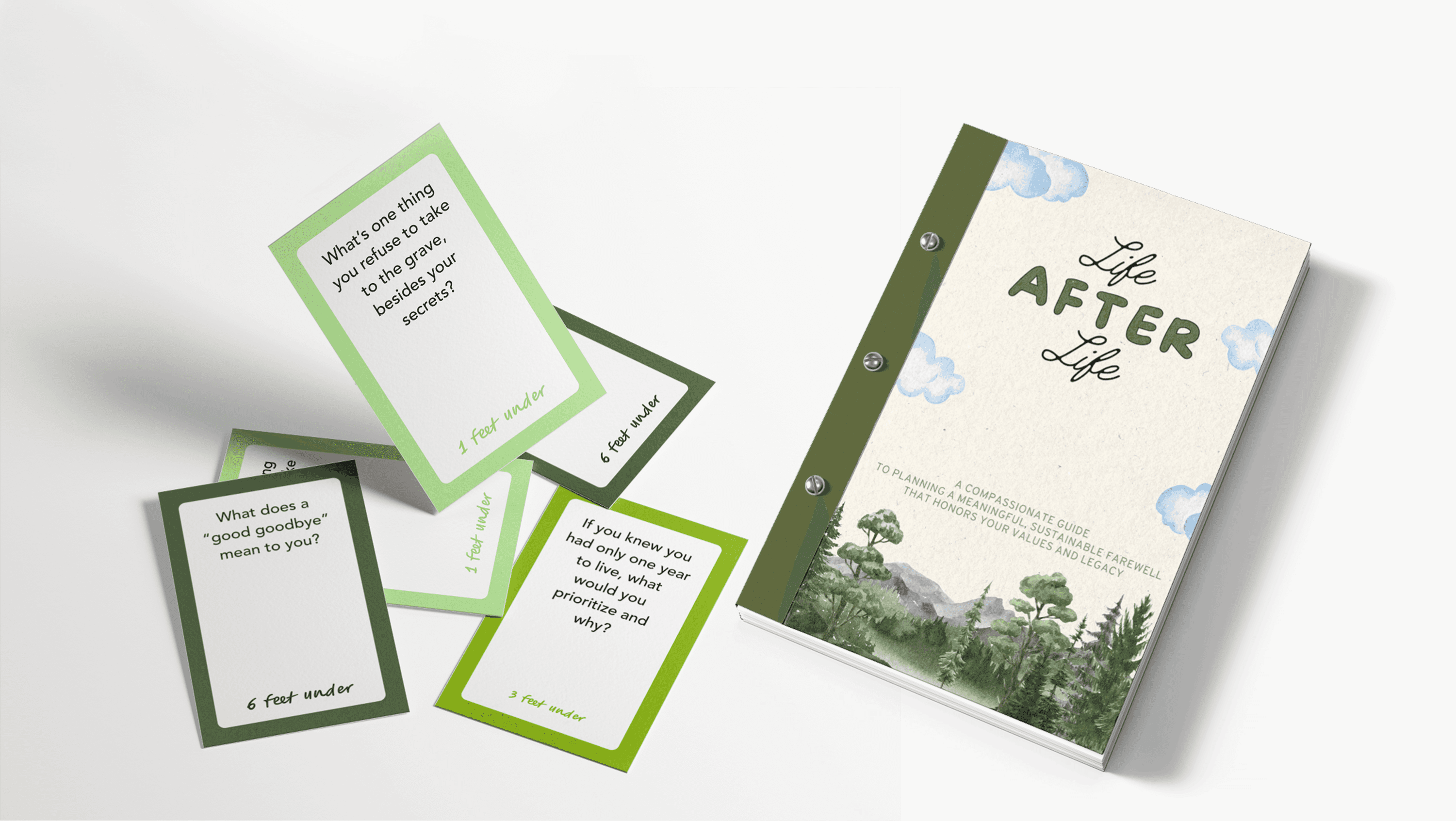
Our mission: Life After Life is a gentle, approachable end-of-life planning toolkit designed to explore sustainable options, facilitate meaningful conversations, and help individuals have farewells that truly reflect who they are — while being kind to the Earth.
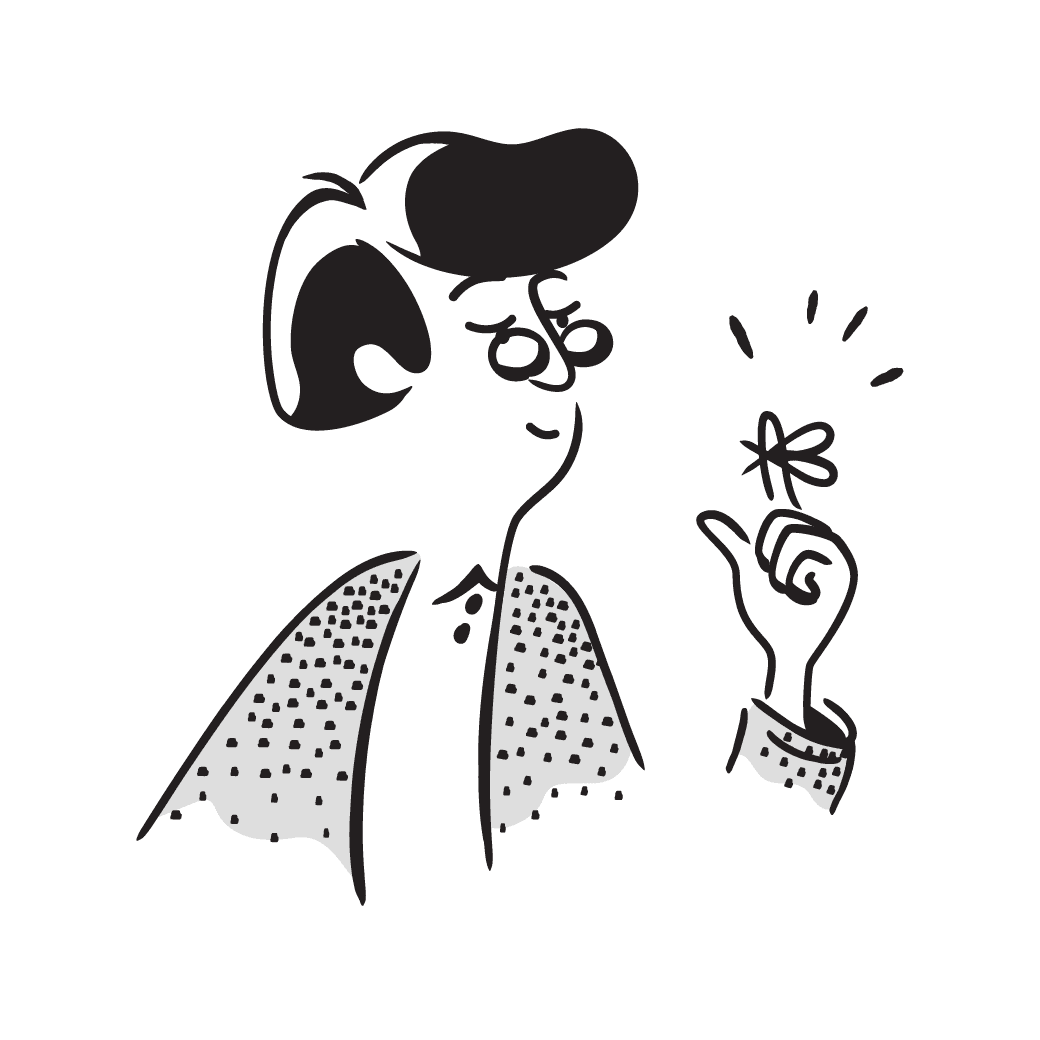
People planning their own end-of-life arrangement and eco-friendly funeral.
Families making funeral decisions who want to honor their loved one's values.
Design challenge: How might we provide clear, practical tools while honoring the sensitivity of grief and farewell?
Our Approach
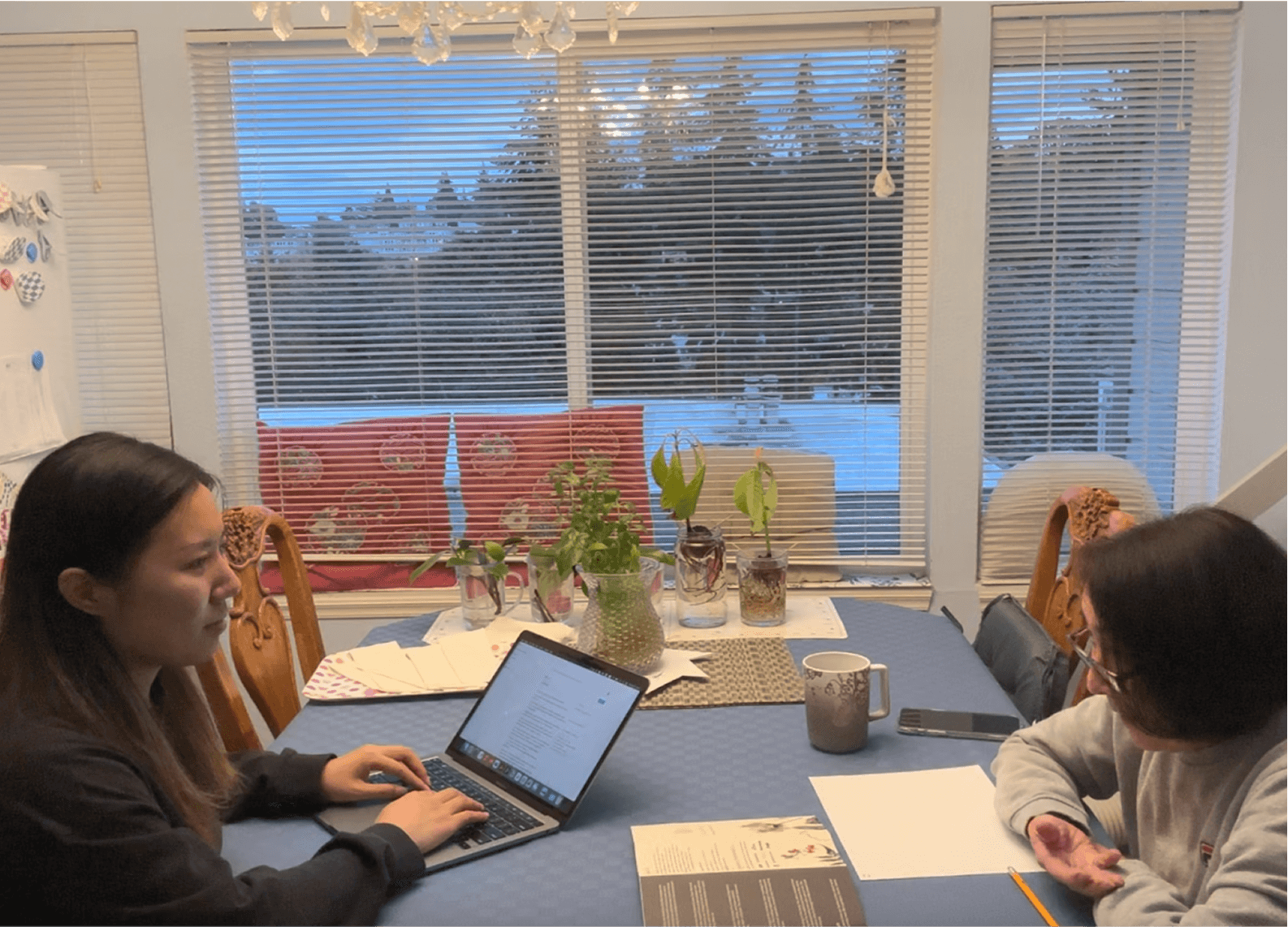
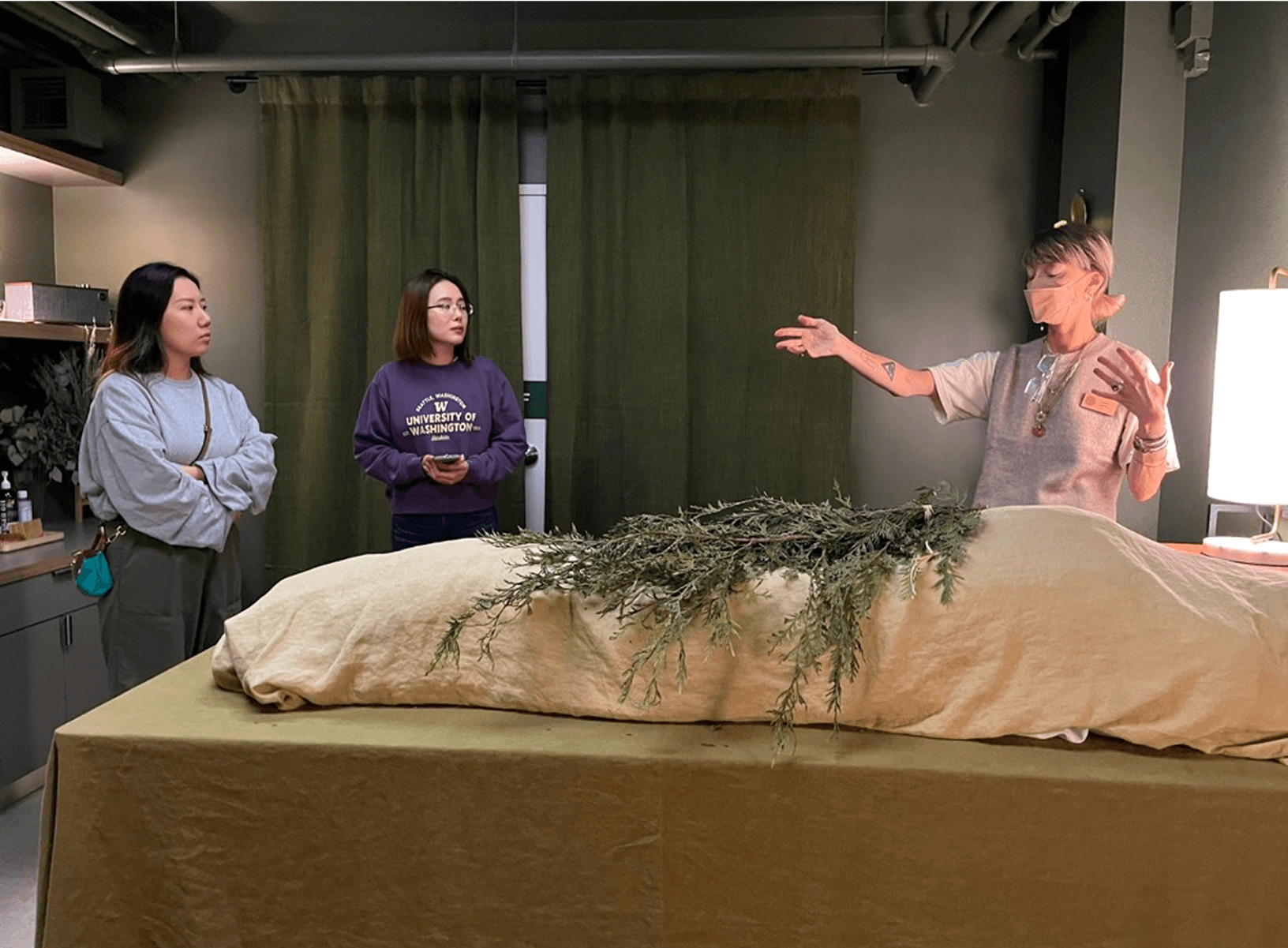
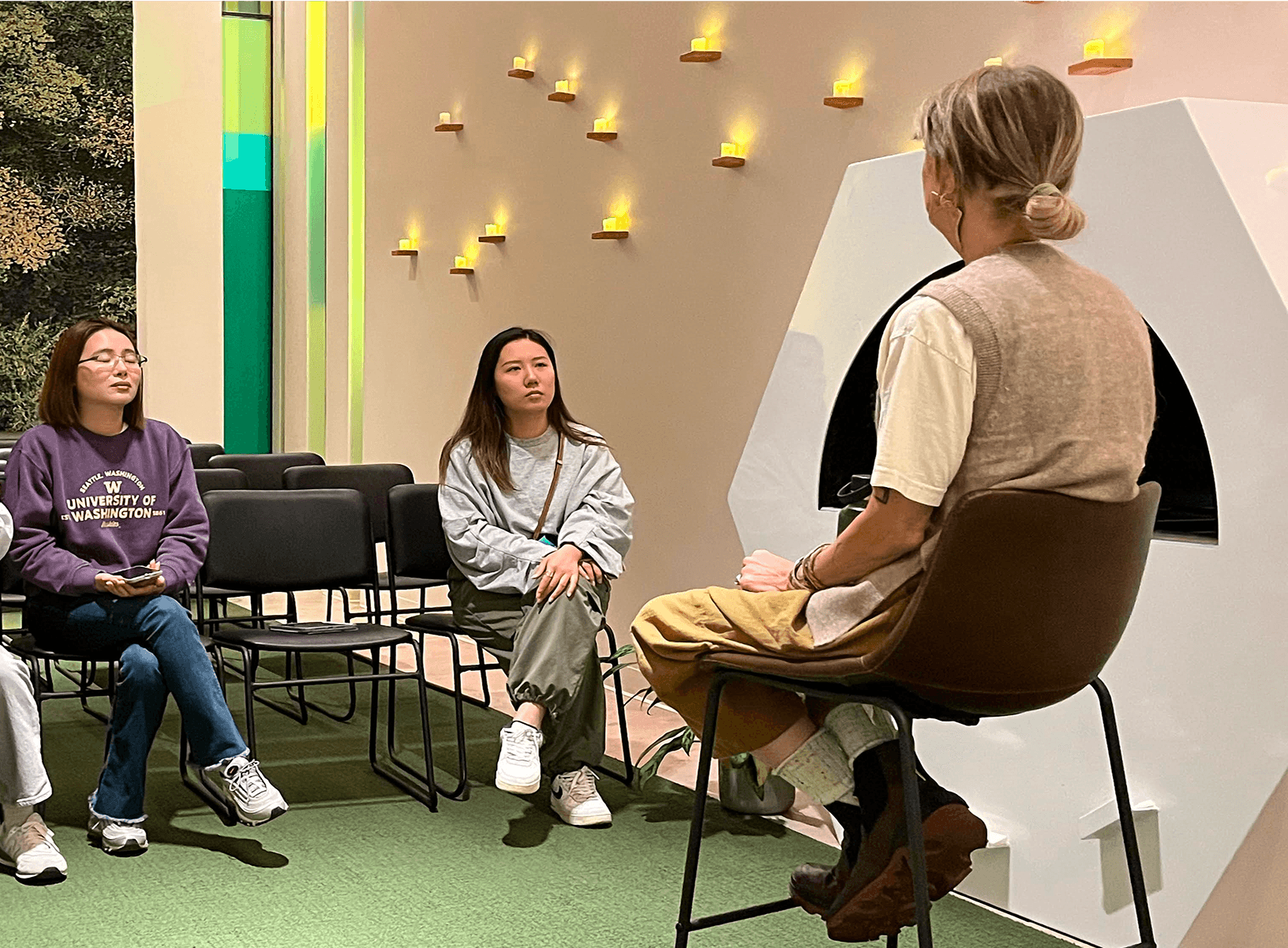
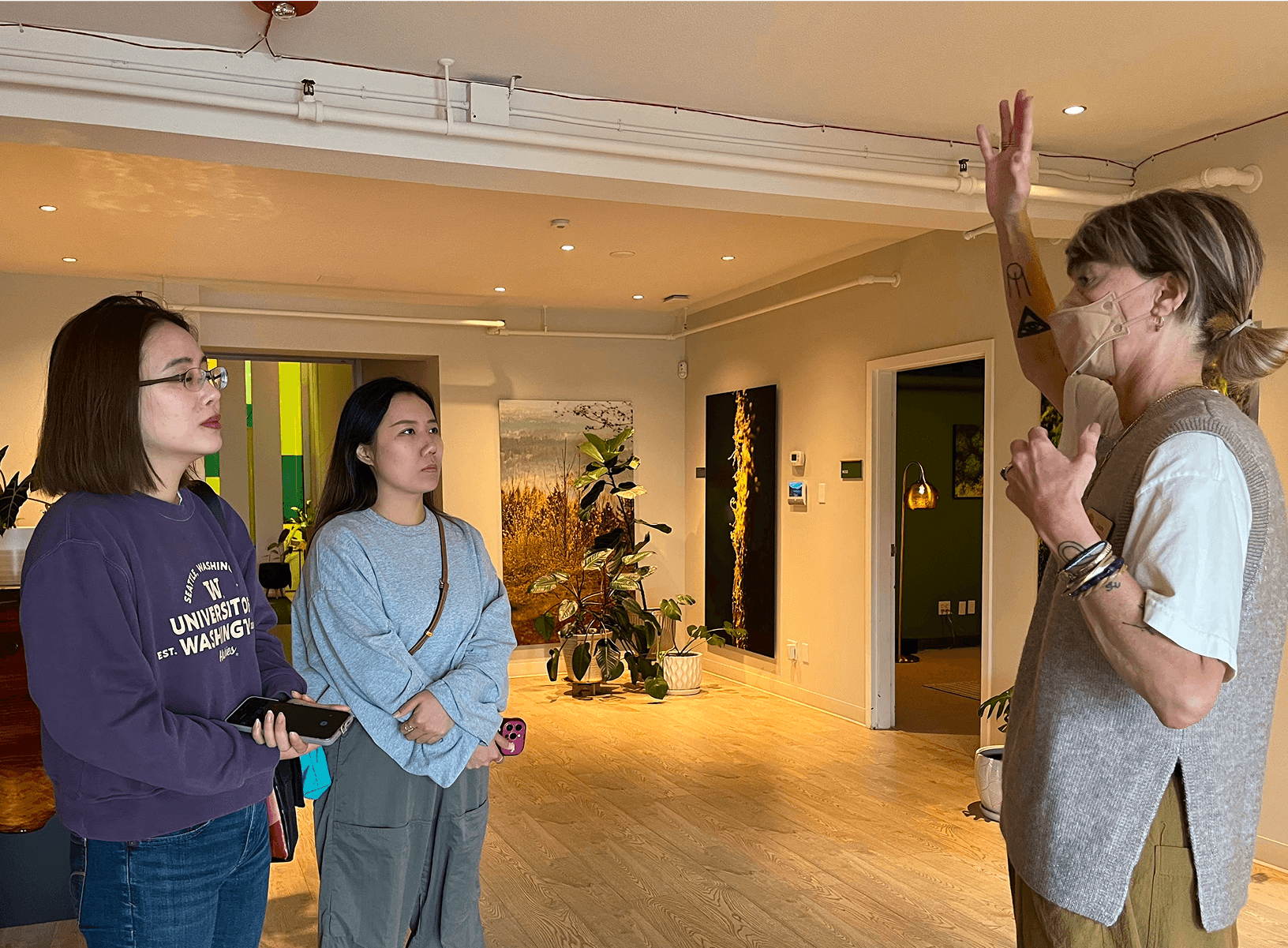
Before we jumped into design, we knew we had to slow down and listen. We conducted extensive user research using 3 different methods: user interviews, surveys, and guided tours.
Death is a deeply personal, emotional, and often avoided topic. So our research wasn't just about identifying problems — it was about understanding the emotions, cultural nuances, and unspoken tensions that surround end-of-life planning.
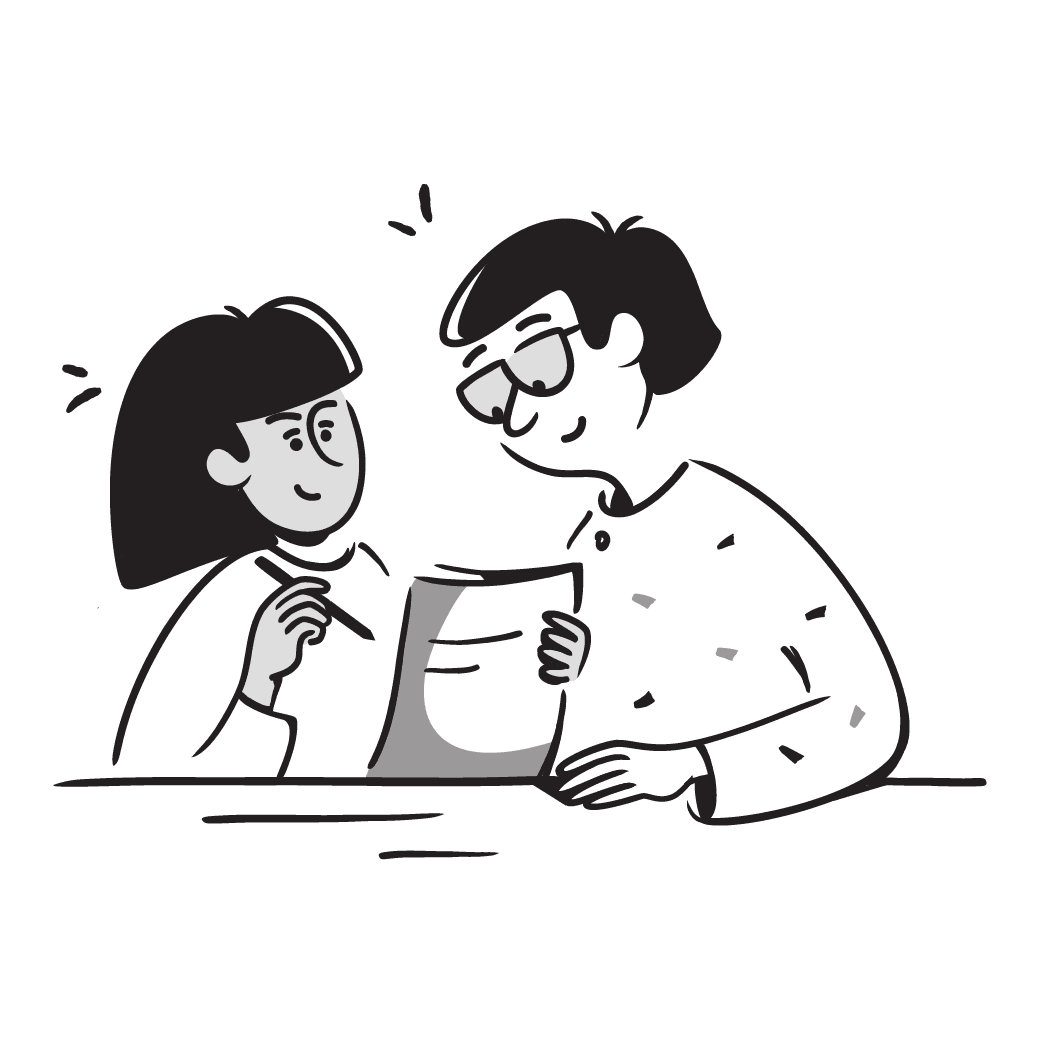
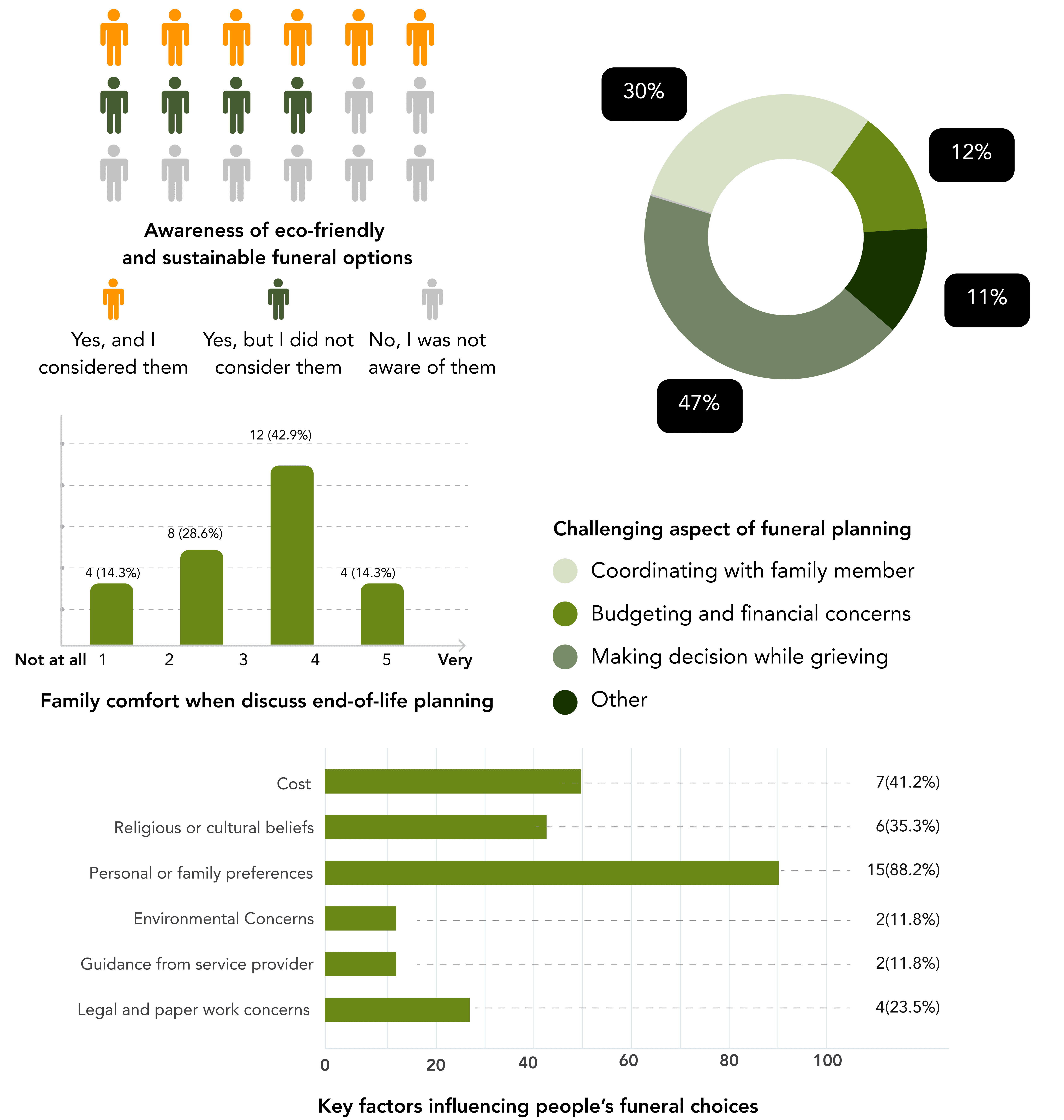
People wanted to make decisions that reflected their values, but felt lost in logistics, paperwork, and unfamiliar terminology.
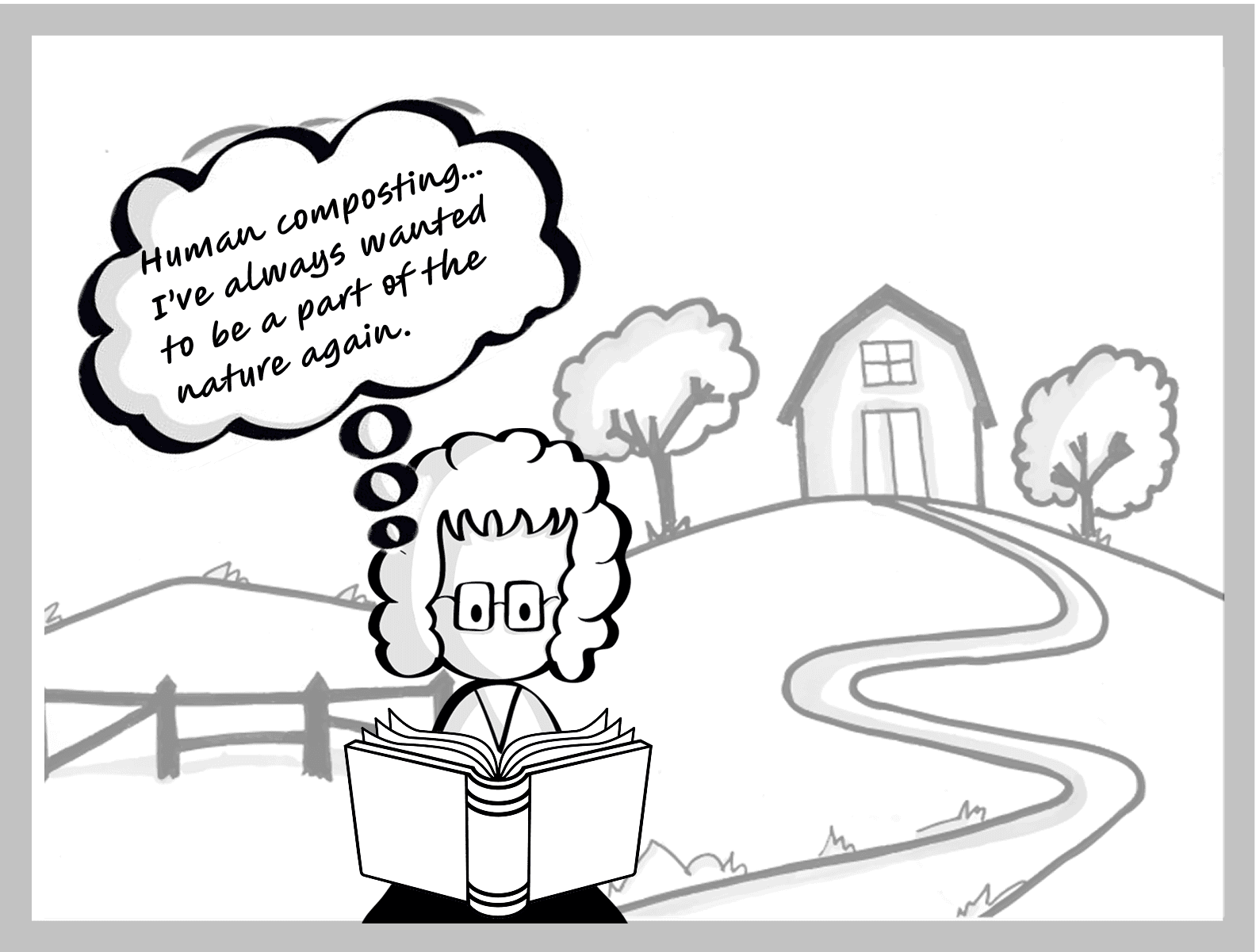
Sustainable alternatives like tree burials or human composting were rarely known or accessible.
People often avoided discussing death with loved ones, even when they wanted to, out of fear of discomfort or cultural taboos.
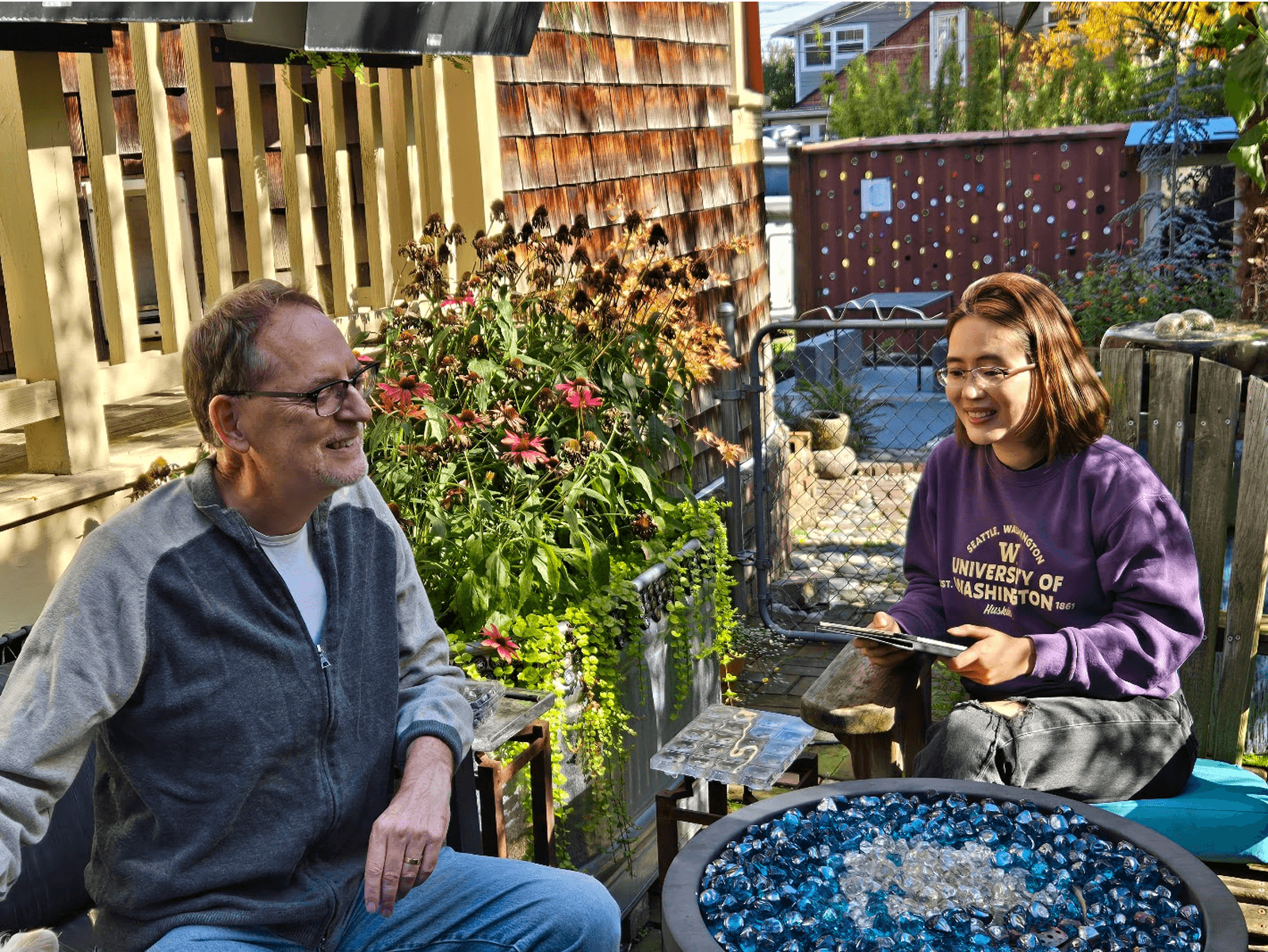
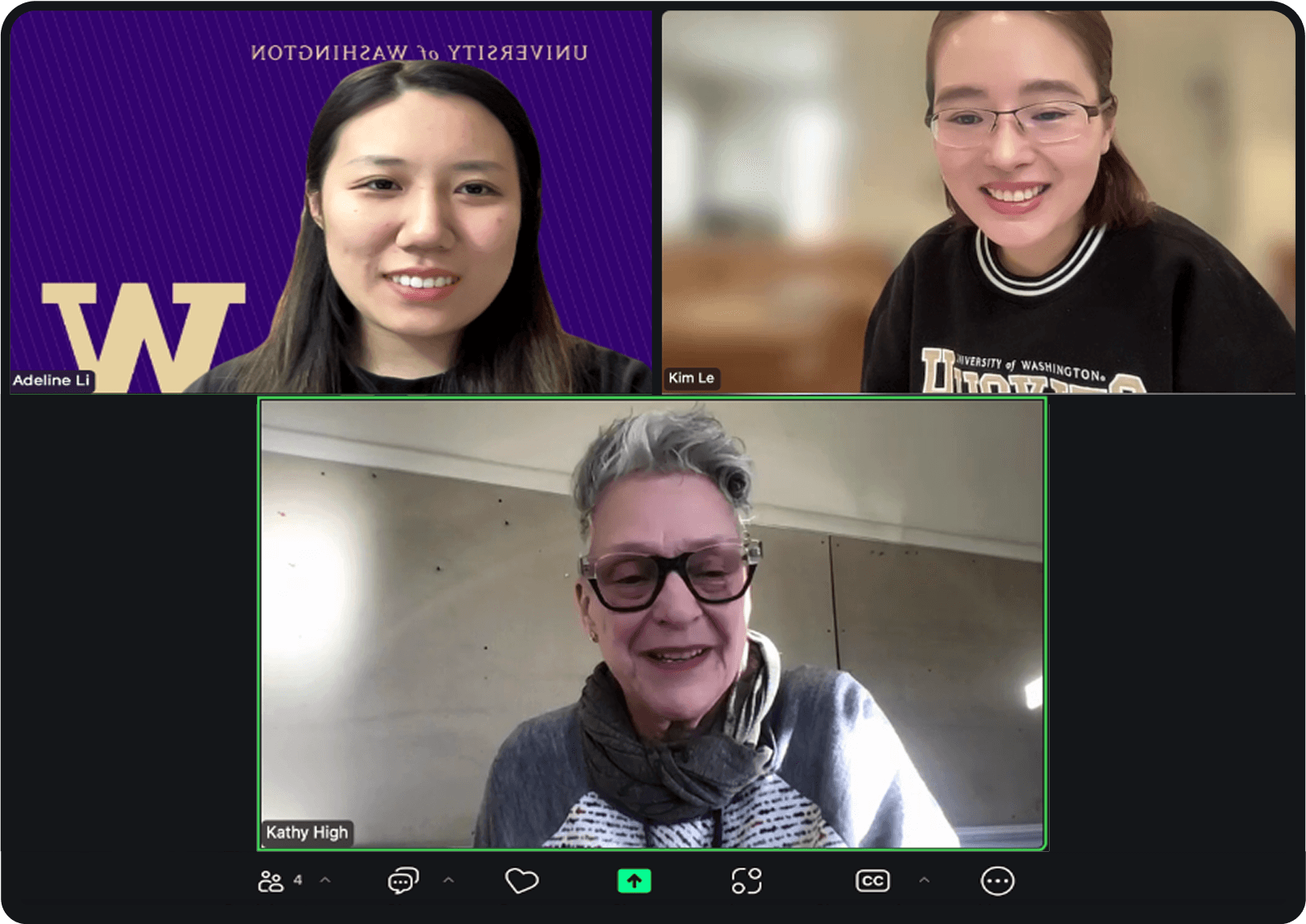
After listening to people talk about their experiences with loss and funeral planning, one thing became clear: most people didn't know where to start, and when they tried, it felt either too emotional, too overwhelming, or too cold. We wanted to explore ways to make end-of-life planning feel more like a reflection of who someone is, not just a checklist of logistics.
Why Not Start With An App?
At first, we imagined Life After Life as a simple digital tool you could use on your phone. But after really listening to the people we were designing for, we discovered something important.
For people in their 60s–80s, something they can hold and flip through just feels easier.
A physical product lets families sit down, share, and reflect together at their own pace.
Planning takes time; physical products allow thoughtful conversations before decisions.
Design Solutions
Our design process highlighted the need for a multi-layered approach — a toolkit you can hold, share, and grow with: a card deck, a planning book, and one day, a journey to the forest. Each piece serves a different role:
The forest offers a space to reconnect with nature and legacy.
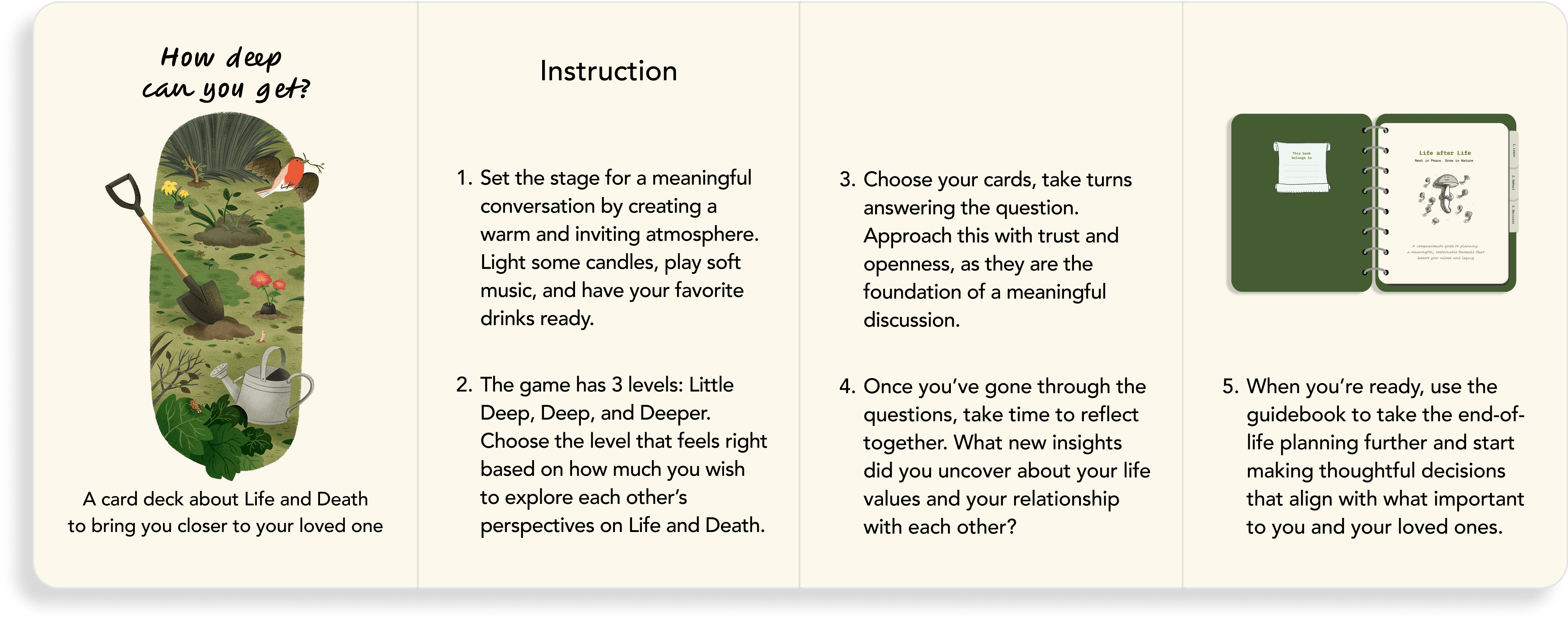
The card deck sparks meaningful conversation with loved ones.
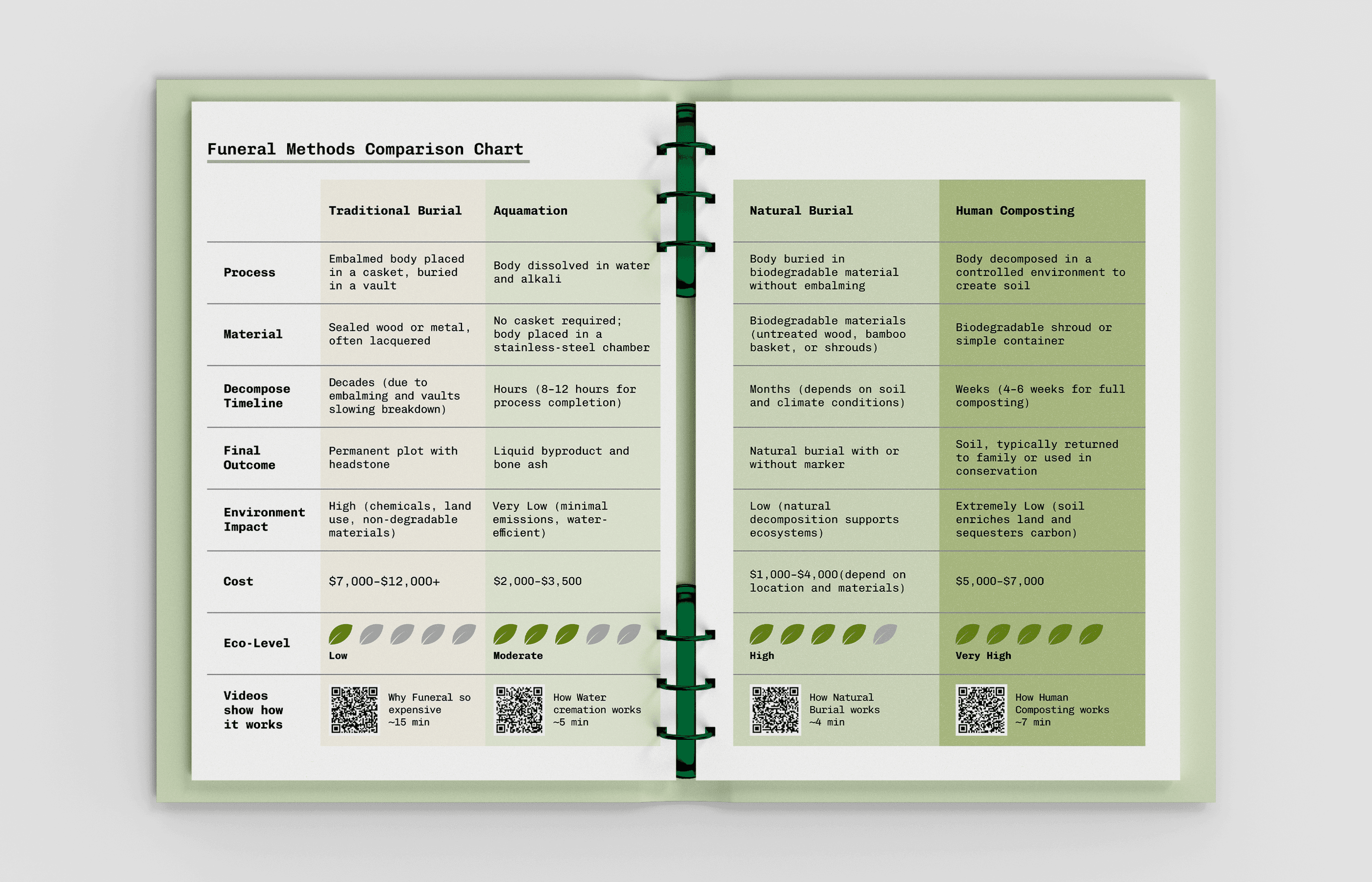
Chapter 1 of the book helps users explore eco-friendly options.
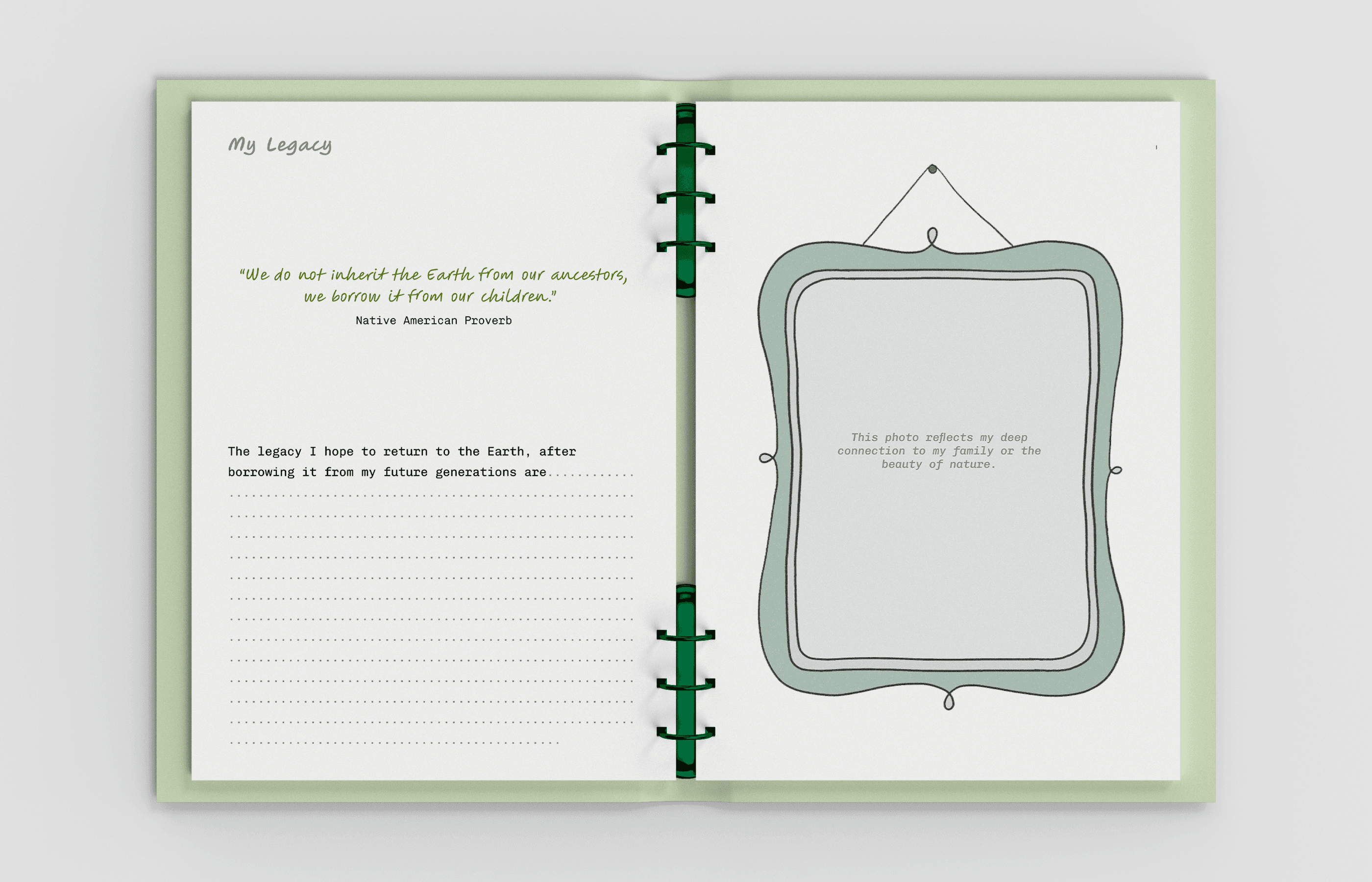
Chapter 2 guides users to reflect on what legacy they want to leave behind.
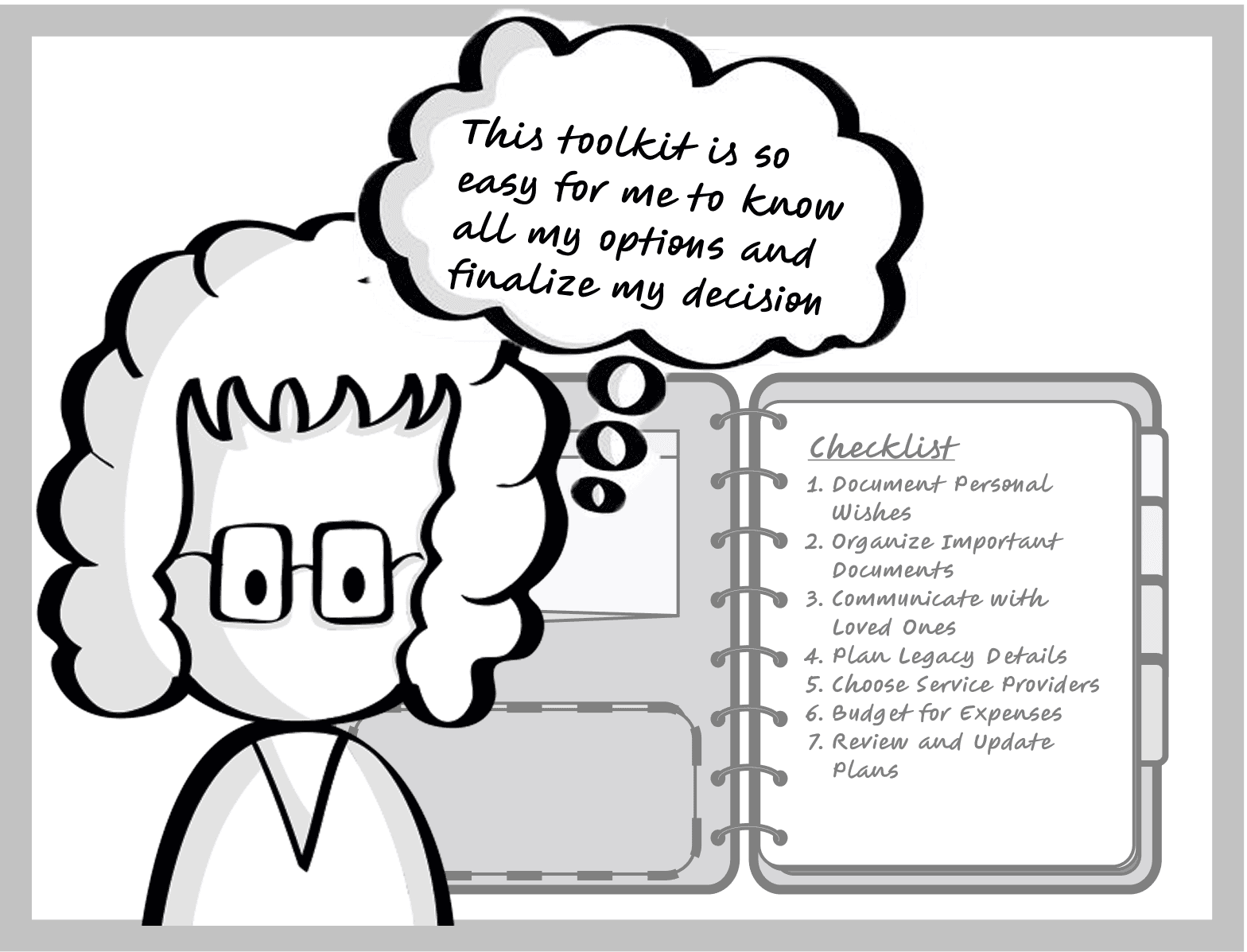
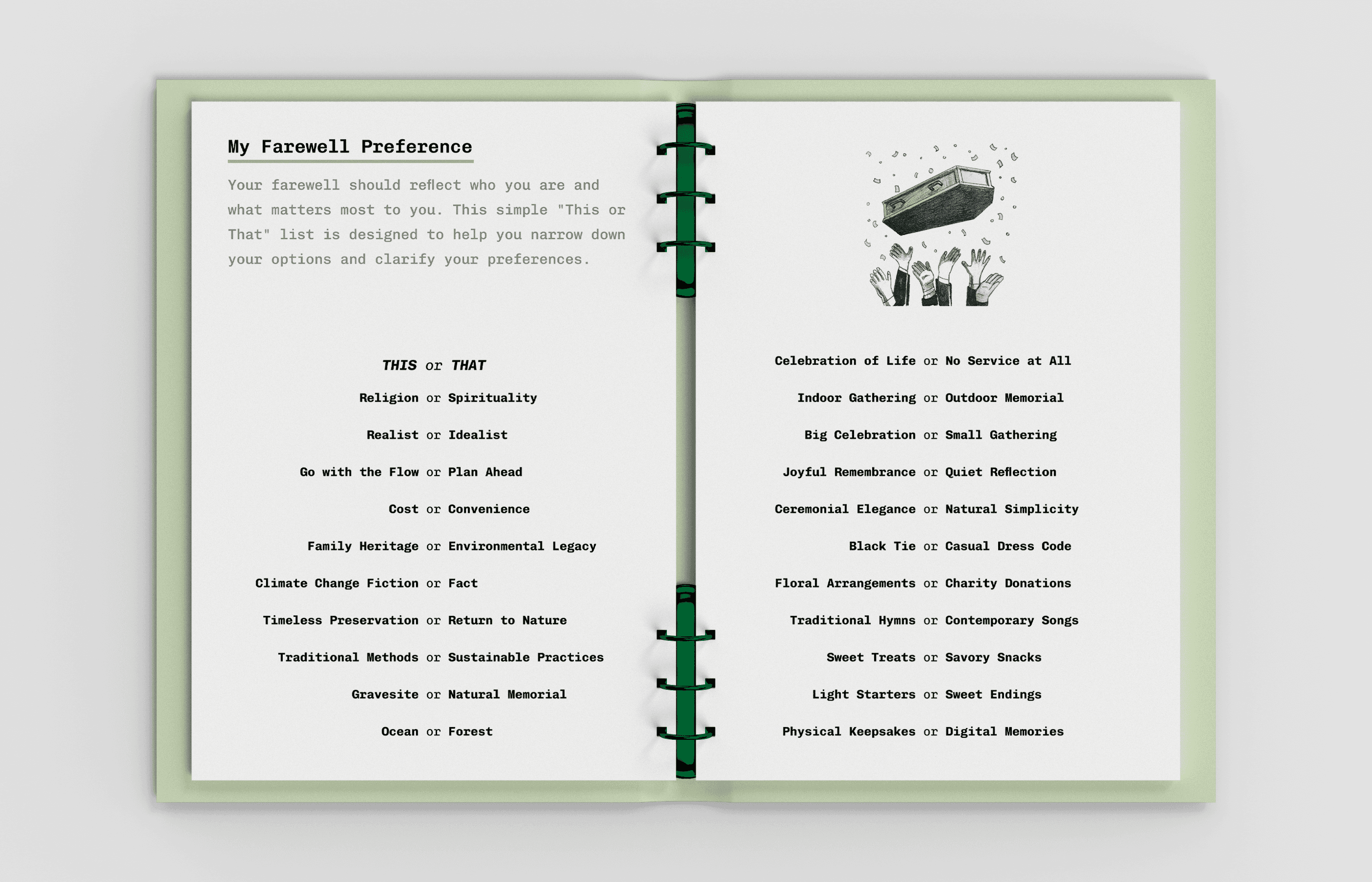
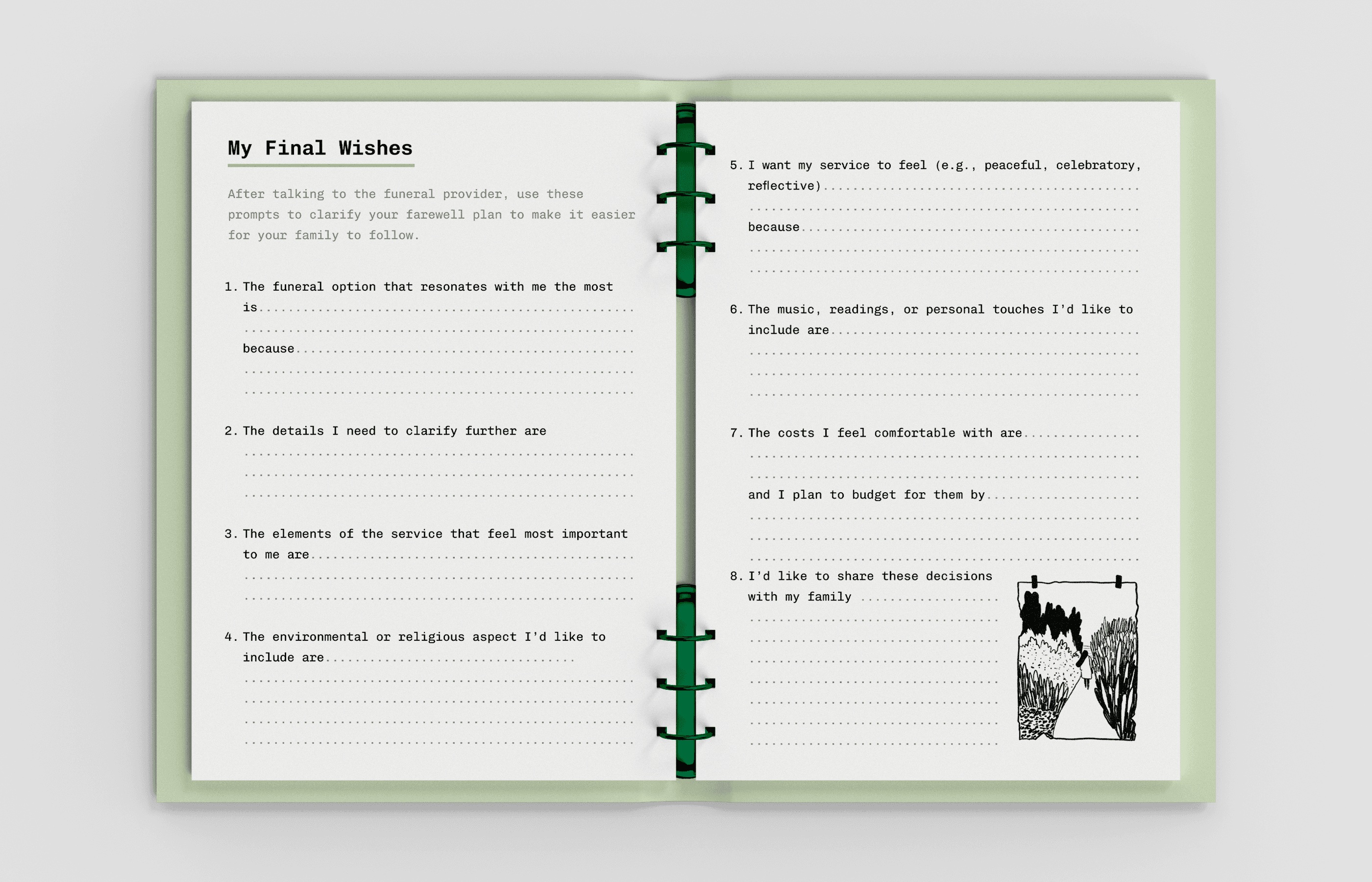
Chapter 3 helps users decide and finalize their wishes.
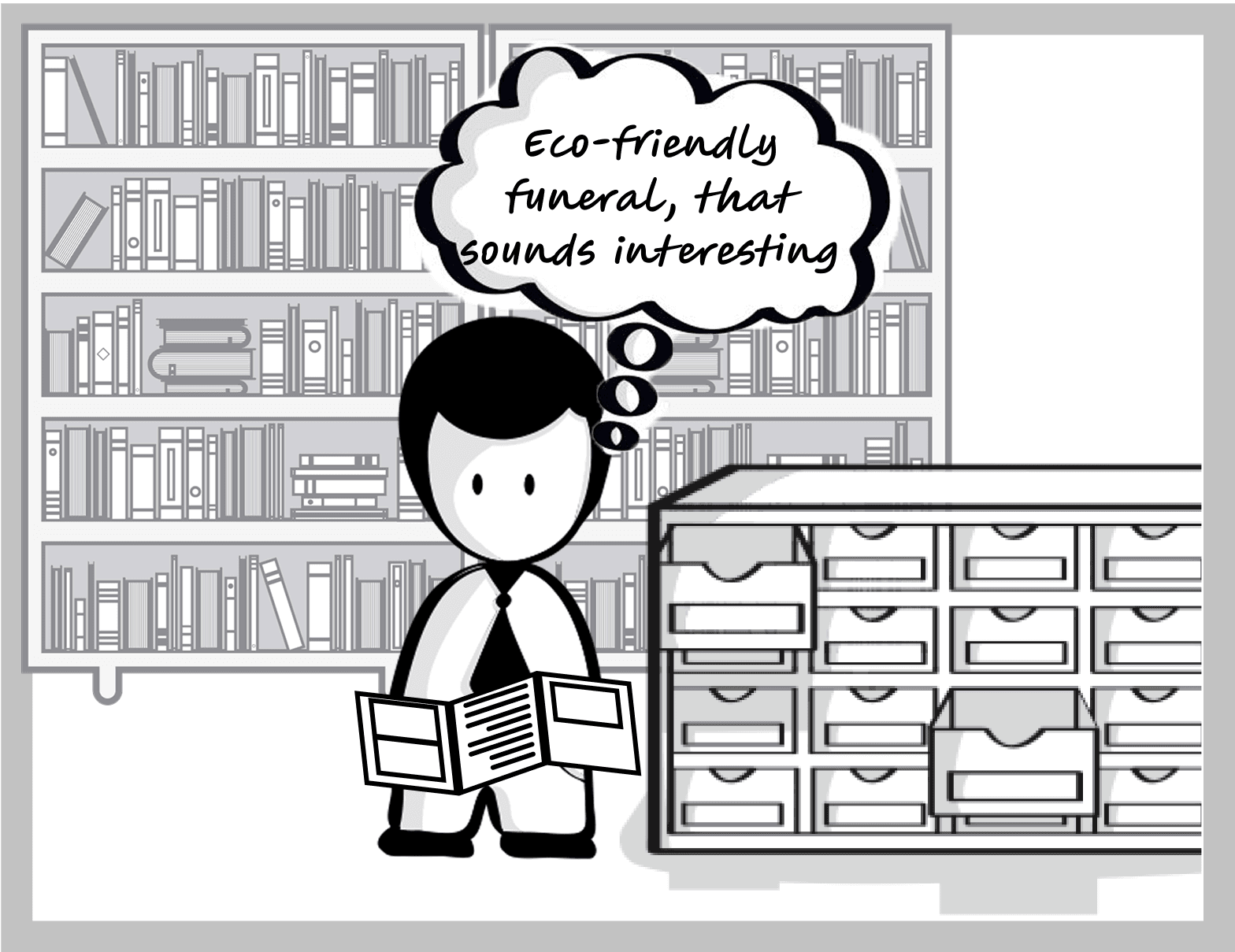
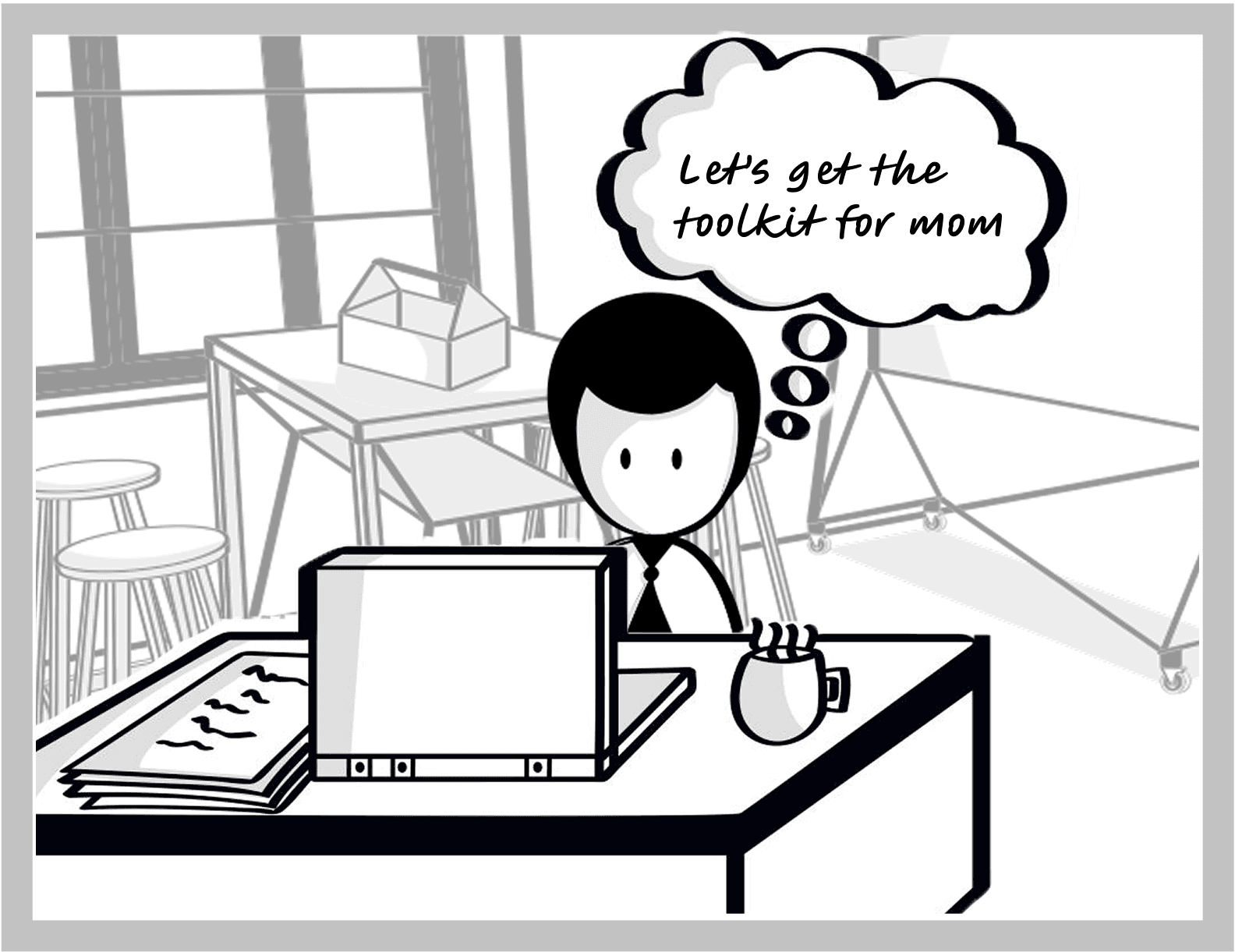
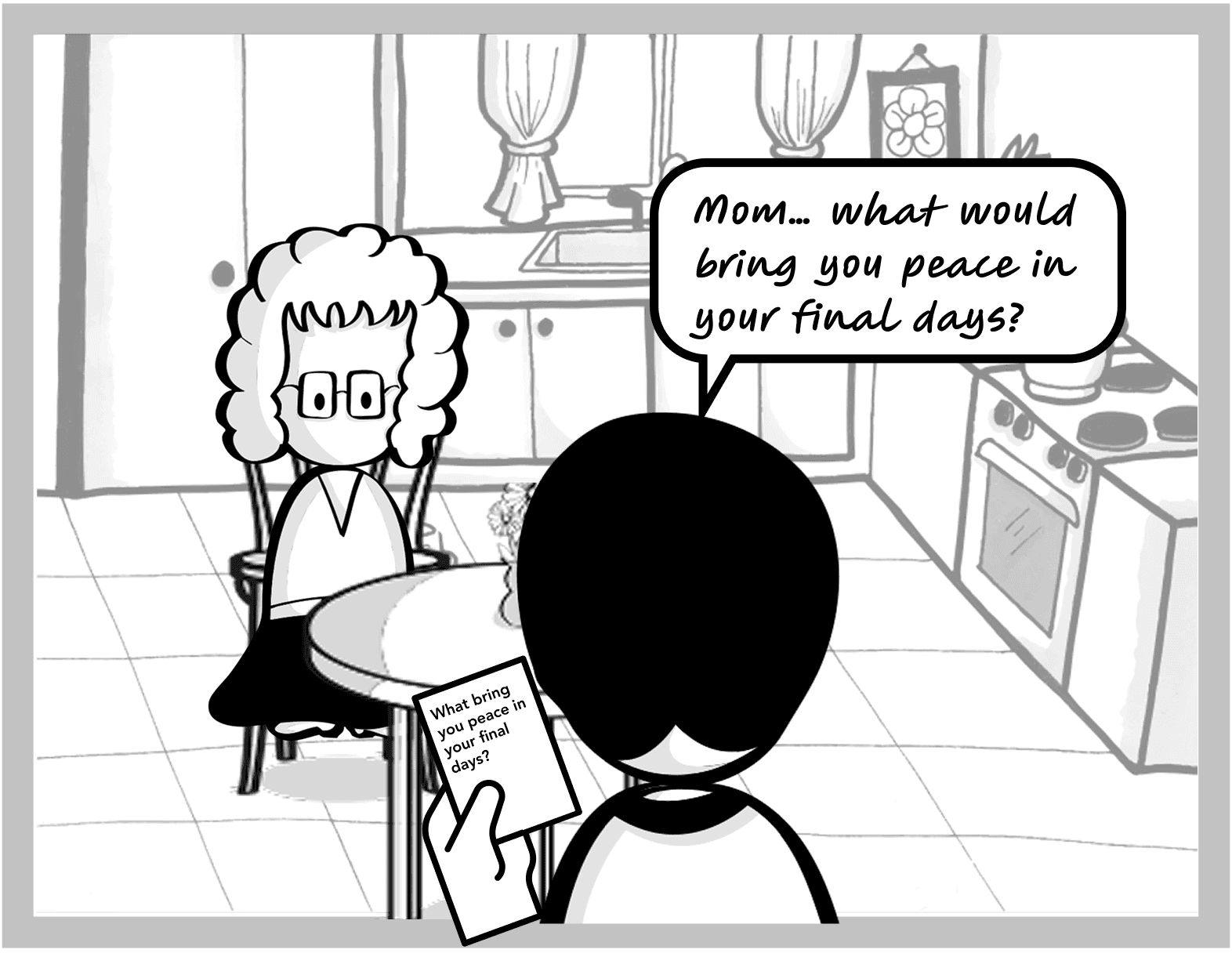
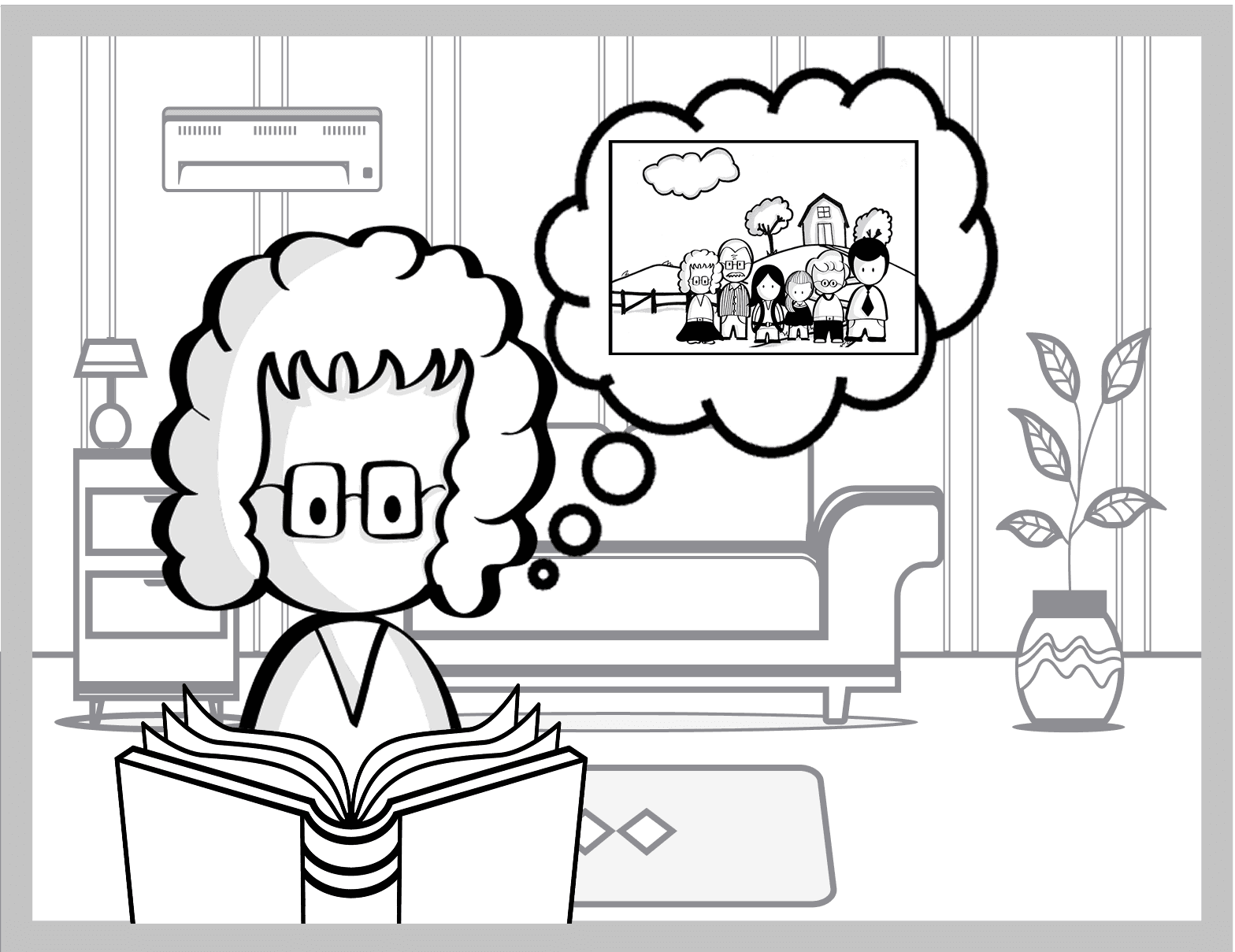
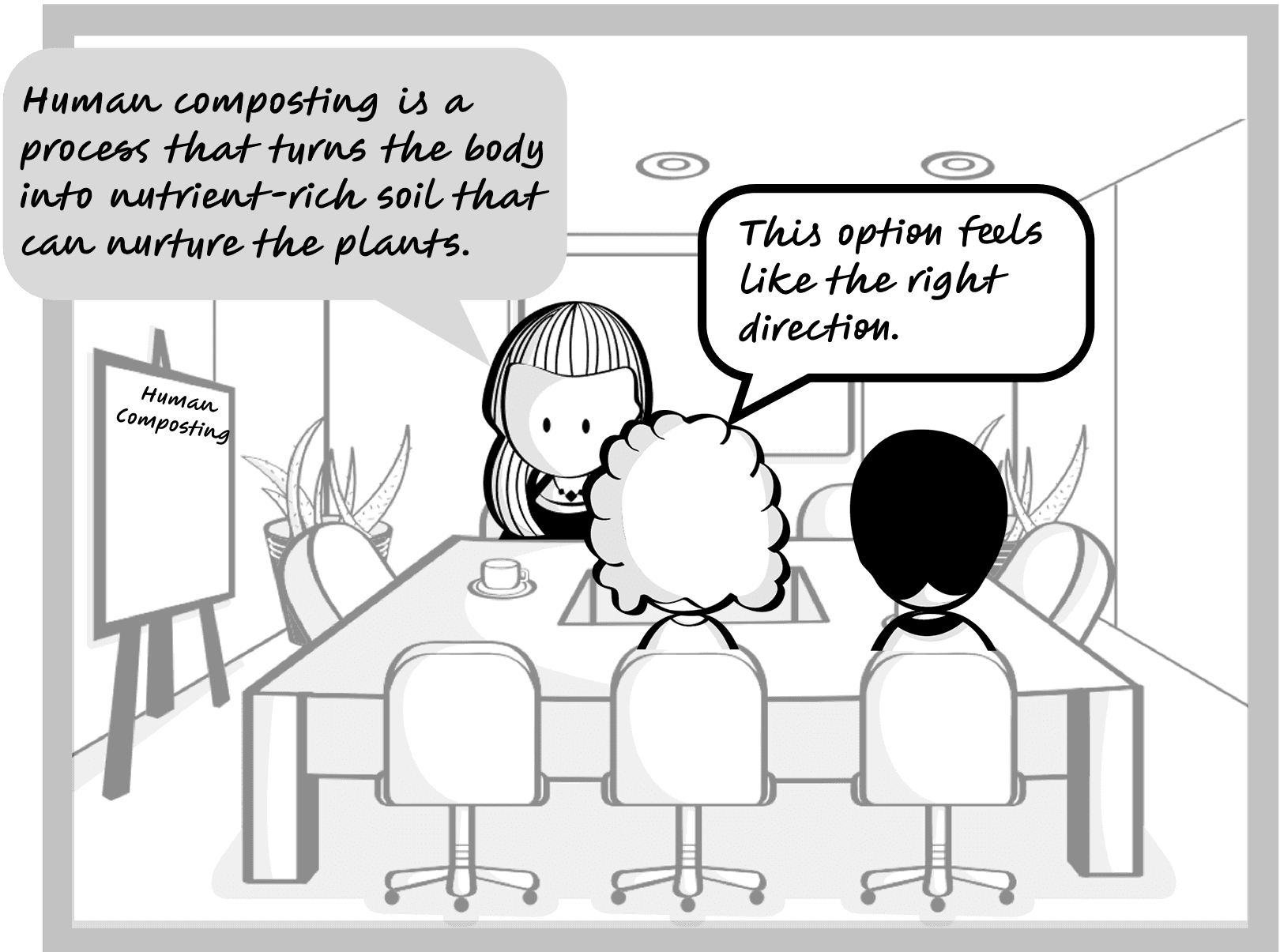
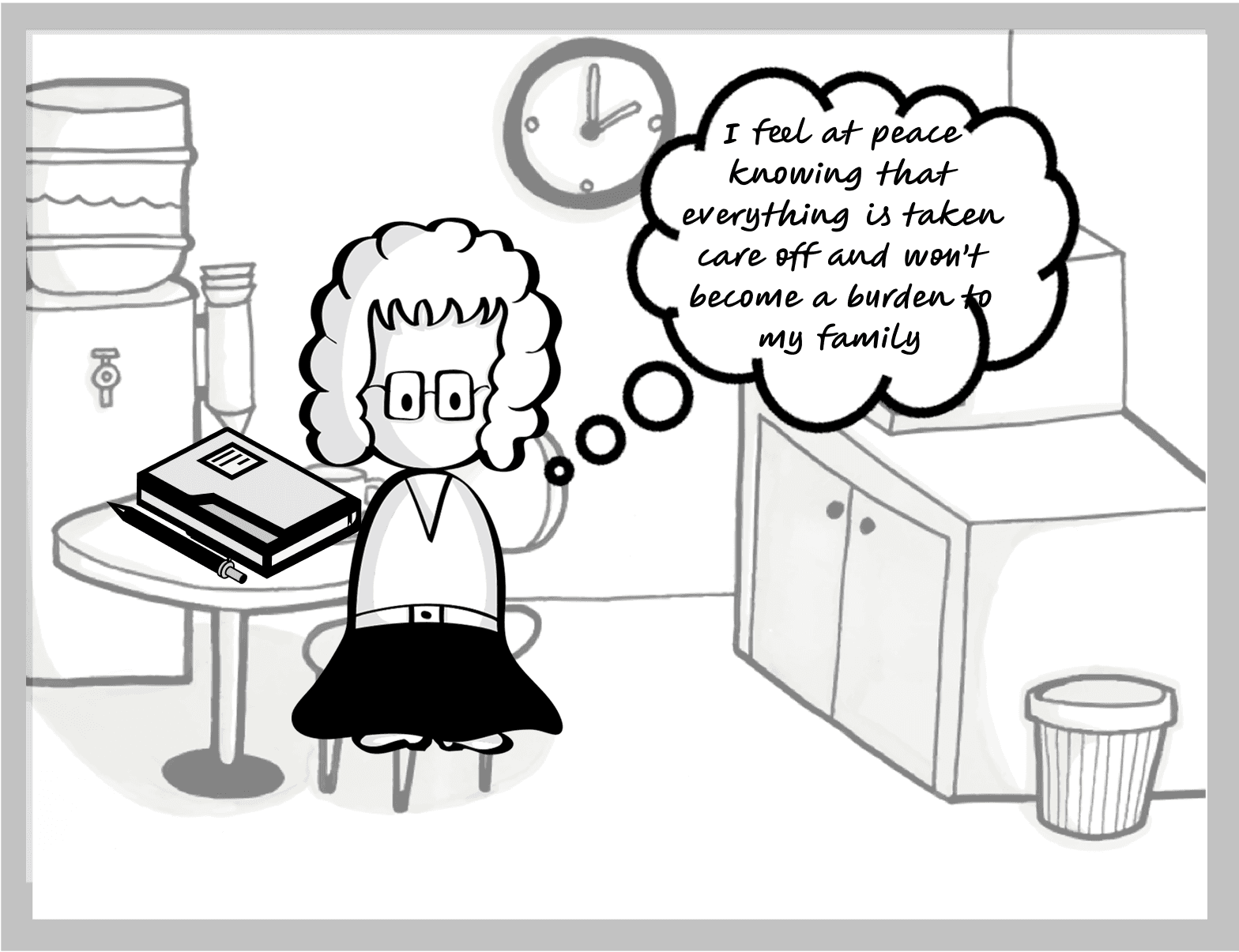
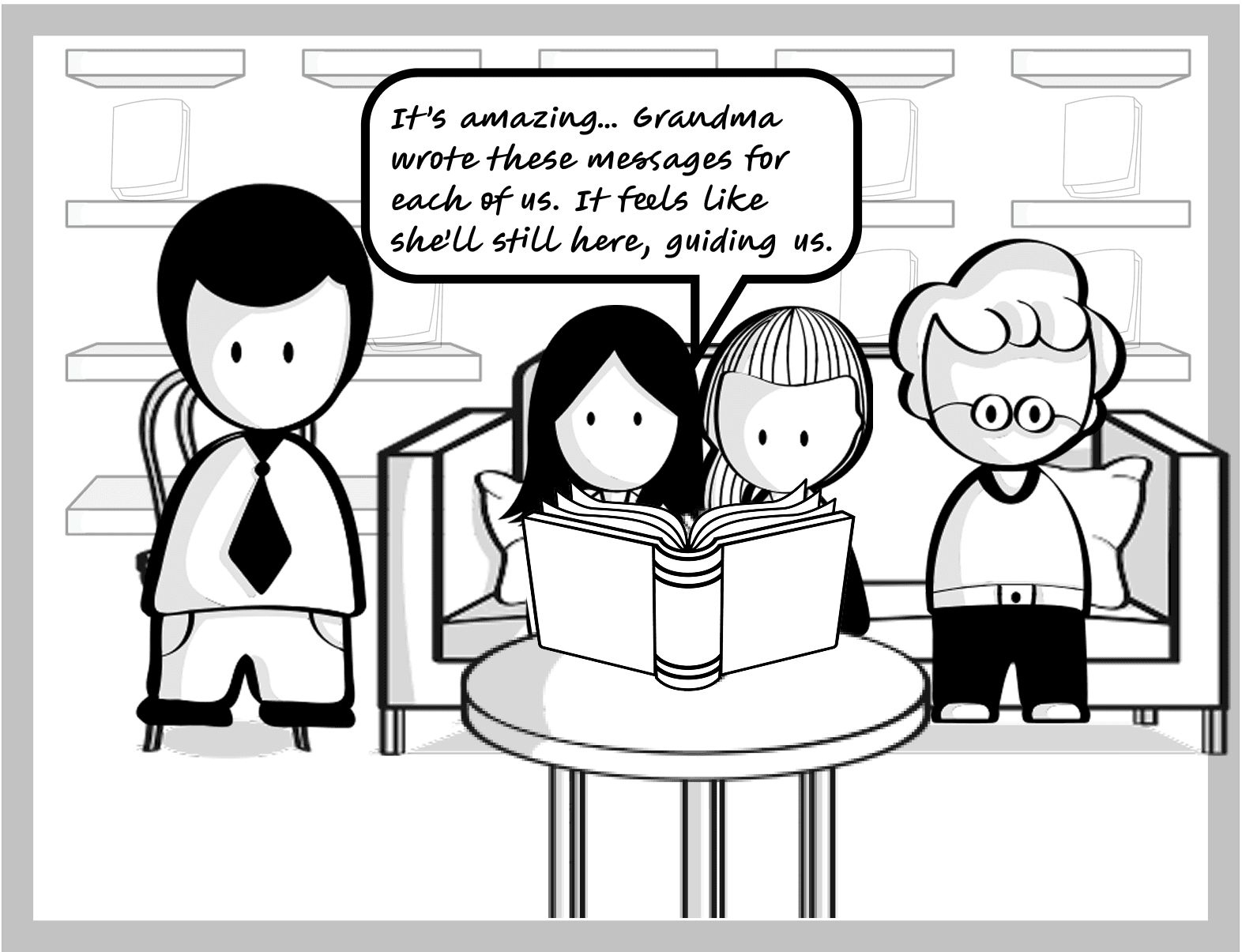
To ensure our design proposal actually works — the Brochure, Card Deck, and Guidebook — we tested them in a use-case scenario featuring Tim, a son looking to help his mom plan her end-of-life arrangements, and Tracy, Tim's mom, who wants to prepare in advance.
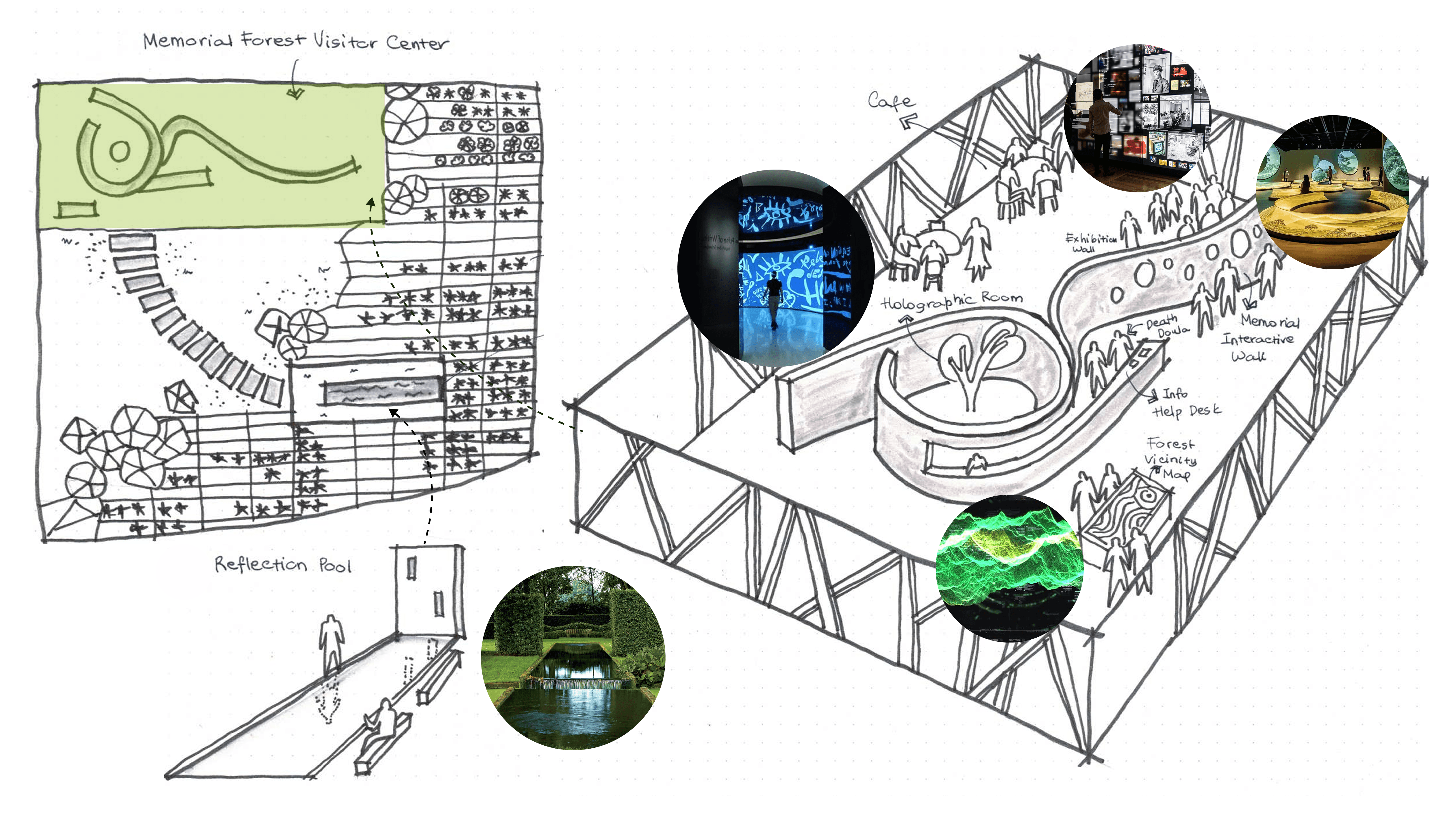
The bus tour to the forest is designed for elders, families, and care homes to visit a place where death and life meet. In this Memorial National Forest, donated soil from human composting nourishes trees and native landscapes. Visitors walk through winding paths and learn more about sustainable funeral alternatives. Inside the Visitor Center, they can explore:
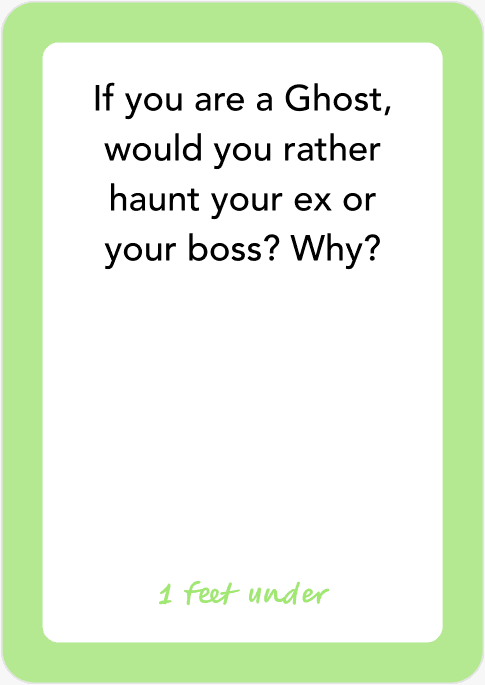
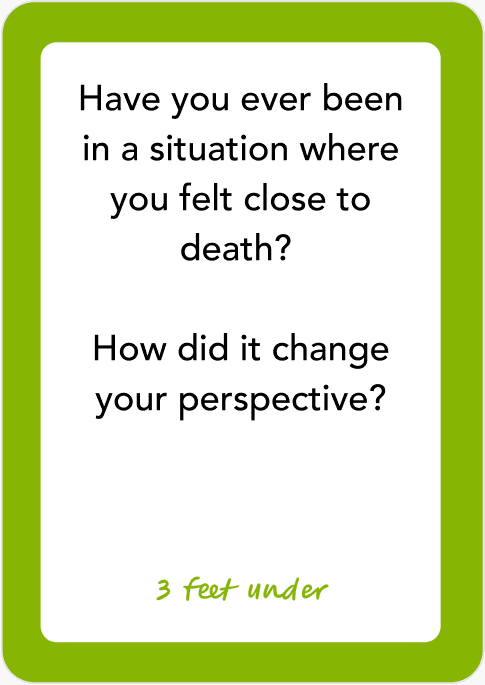
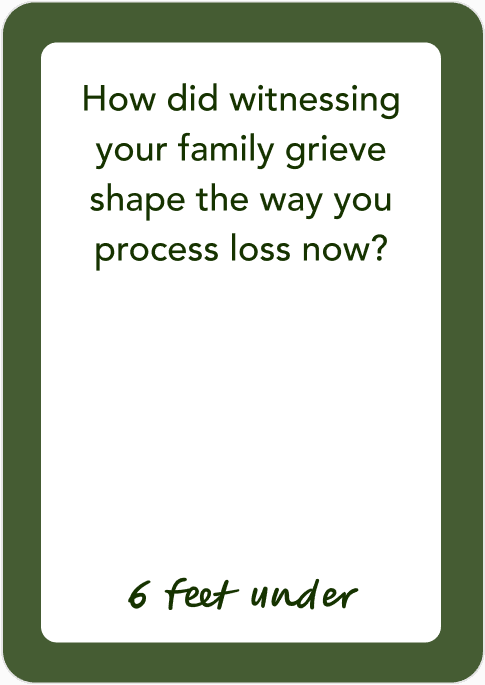
During the visit, visitors are introduced to the card deck, which offers a gentle way to open up about the topic with loved ones. Designed for families and care homes, the deck moves through three tiers of depth:
Playful, lighthearted questions.
Reflective prompts about values and life.
Questions about end-of-life preferences.
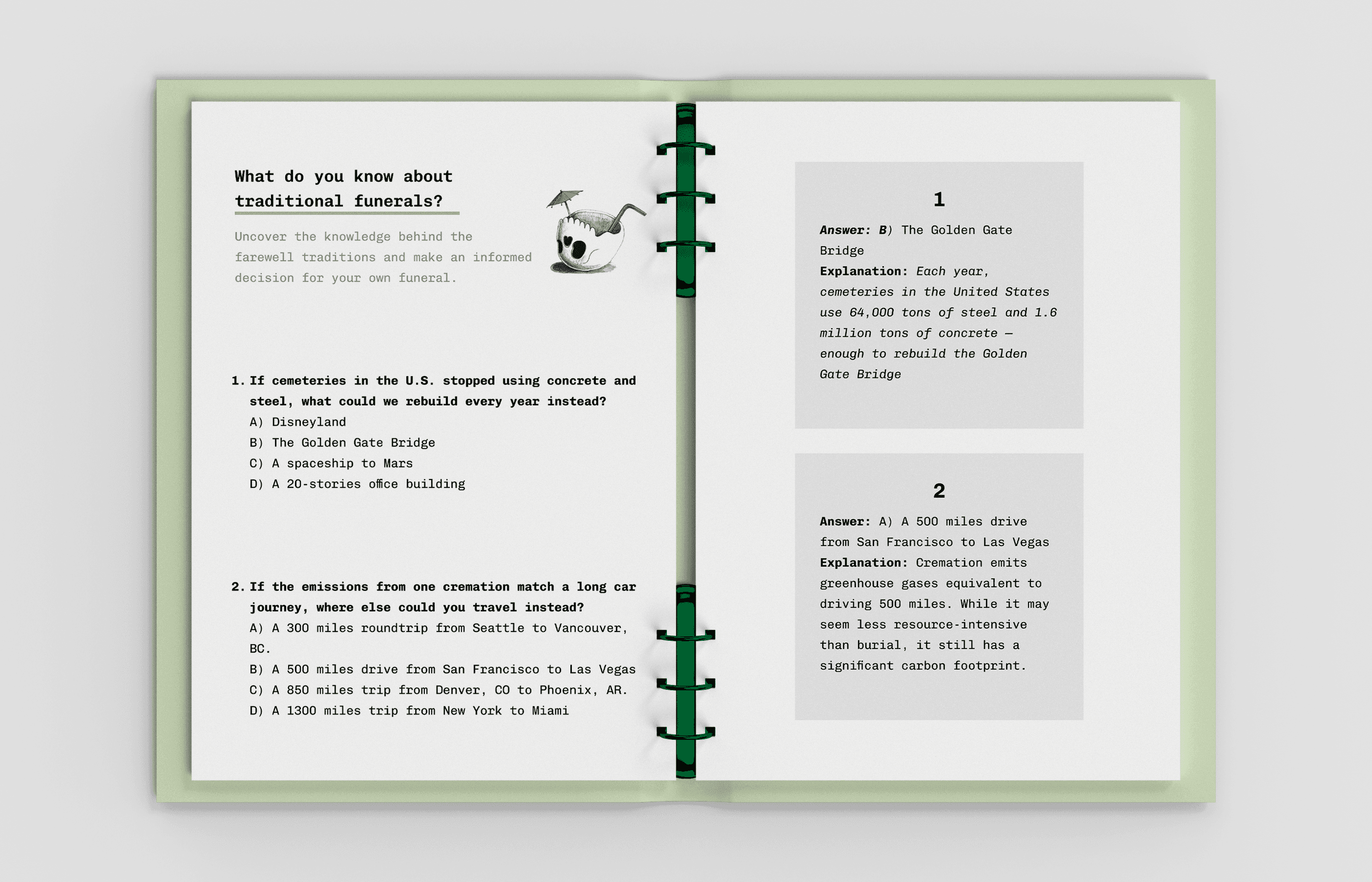
Chapter 1 invites readers to explore sustainable funeral options through playful, thought-provoking questions. We turned facts into a pop-quiz-style experience that surprises and informs, then walks through key sustainable funeral concepts.

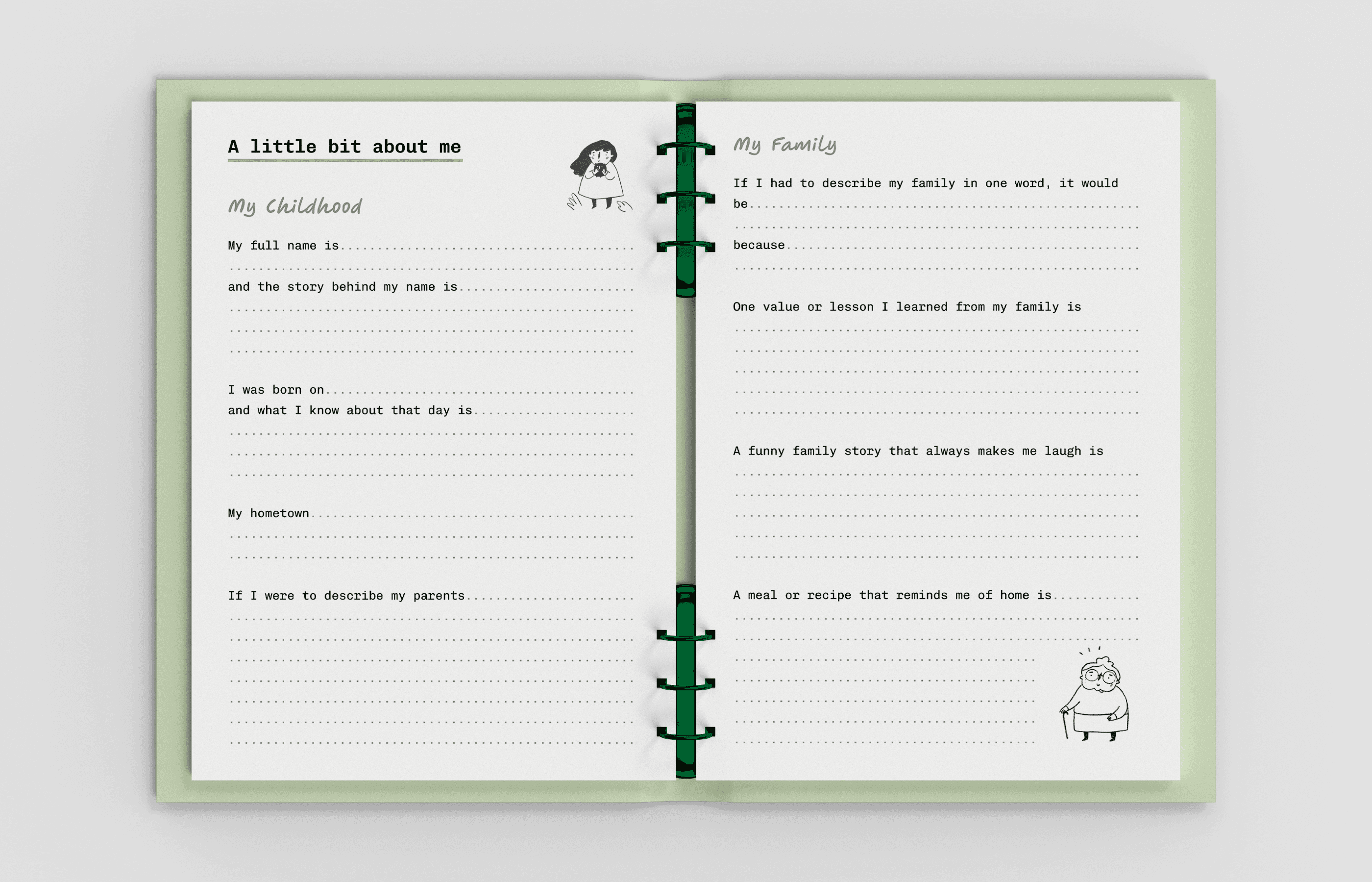
This chapter invites users to pause and think through what matters most to them. It includes gentle journaling prompts and space for personal notes, helping users build clarity through self-awareness.
Finally, users are guided through recording their wishes:
This section is practical, empowering, and designed to be shared — so families feel supported and decisions feel aligned with the person they're honoring.
My Takeaways
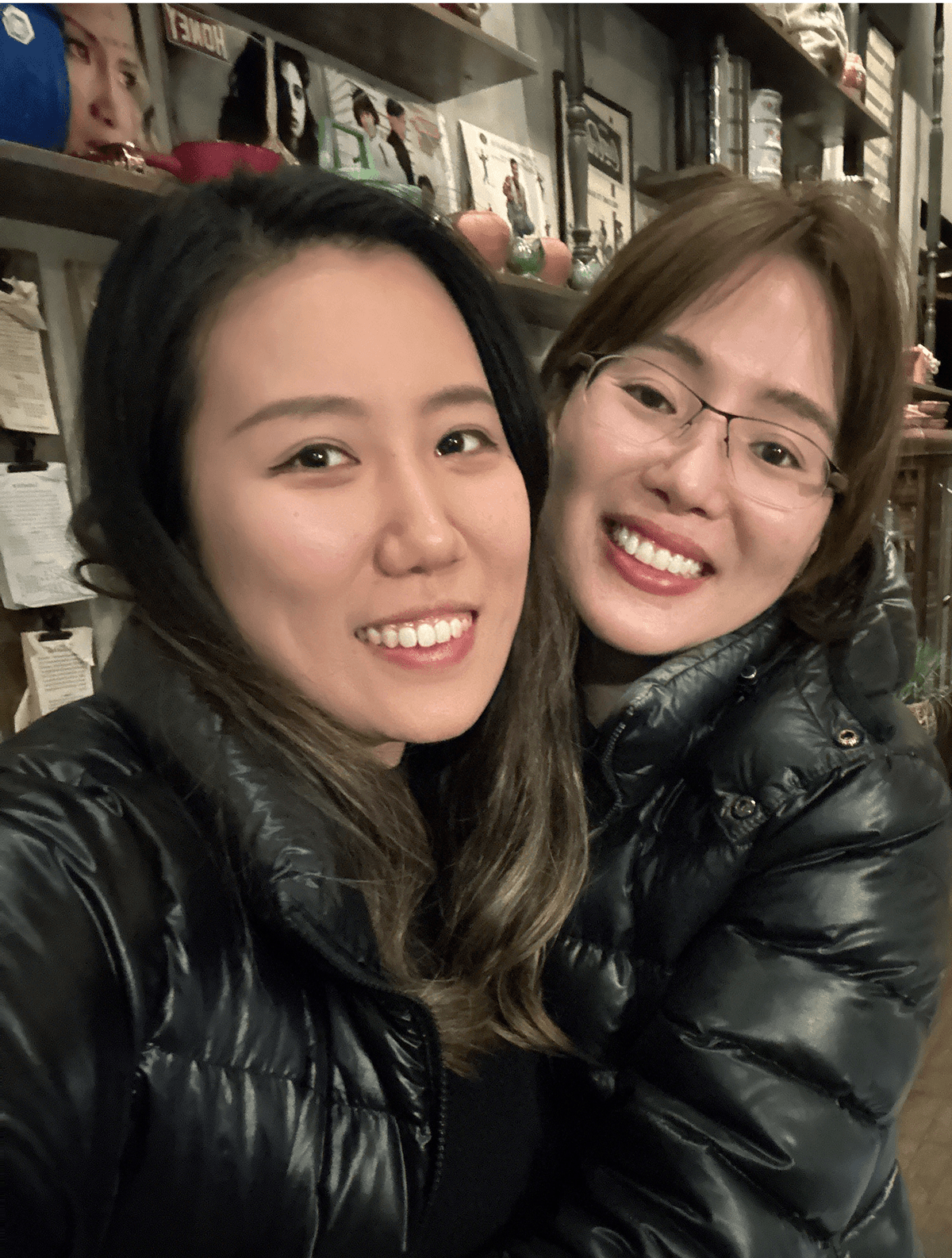
Meet the team: Adeline + Kim. We found ourselves navigating tender ground.
Designing for something as personal as end-of-life planning wasn't easy — it asked us to be more patient and thoughtful. Our role wasn't to give answers, but to gently guide people through an emotional journey.
Instead of defaulting to a digital app, we explored tangible tools — a card deck and a guidebook — helping families ease into hard conversations.
With the pace moving fast, we had no choice but to communicate clearly, make quick decisions, and support one another. The pressure brought out the best in our collaboration.
By the end, we weren't just better at design. We were better at listening, holding space, and thinking about how products can meet people where they are — especially in life's most vulnerable moments.
I am currently looking for a team where I can take part, learn from, and become a better designer (/human).
Let's Chat! ↗